


Lake Superior
Climate change has been identified as one of the greatest threats facing the biodiversity of the Lake Superior Watershed. Climate change occurs at a pace at which humans must learn to adapt to. Many plant and animal species will be impacted by these changes and the research linked below on this page details some of these changes. This page points to some of the research concerning the future climate of Lake Superior based on climate models and historical data. The variations in the short term indicate that we can expect to have more frequent extreme weather events as the climate warms.
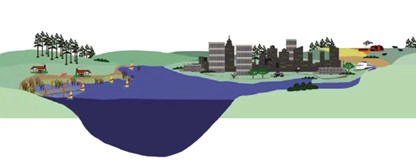
Projected Changes in Climate for the Great Lakes Basin
Credit: Linda Mortsch, Environment Canada
Airshed Effects:
- Increase in air temperatures
- Increase in precipitable water in warmer atmosphere
- Change in frequency and intensity of storms
Nearshore Effects:
- Increase in water temperature
- Increase in evaporation
Inlake Effects:
- Increase in water temperature
- Higher evaporative losses from lakes
- Less ice cover (shorter duration)
Watershed Effects:
- Warmer air temperatures
- More precipitation (decreases in key seasons)
- Less winter precipitation as snowfall and more rain
- Less snowpack
- More intense precipitation events
- Increase in evapotranspiration
Thunder Bay Climate Change Connection
A new set of locally relevant and concise climate change resources are now available in order to deliver easily accessible climate change information to the community.
The following resources provide information on a variety of climate change impact areas, as well as actions you can take to help mitigate the effects of climate change, and are available below for free to download and print.