

Children
Statistics show that 10 - 20% of Canadian youth are affected by mental health issues, and unfortunately, only 1 out of 5 children who need psychological assistance will get it.
At Sullivan + Associates, we are pleased to offer psychotherapy/
Psychotherapy/
Our psychotherapy/
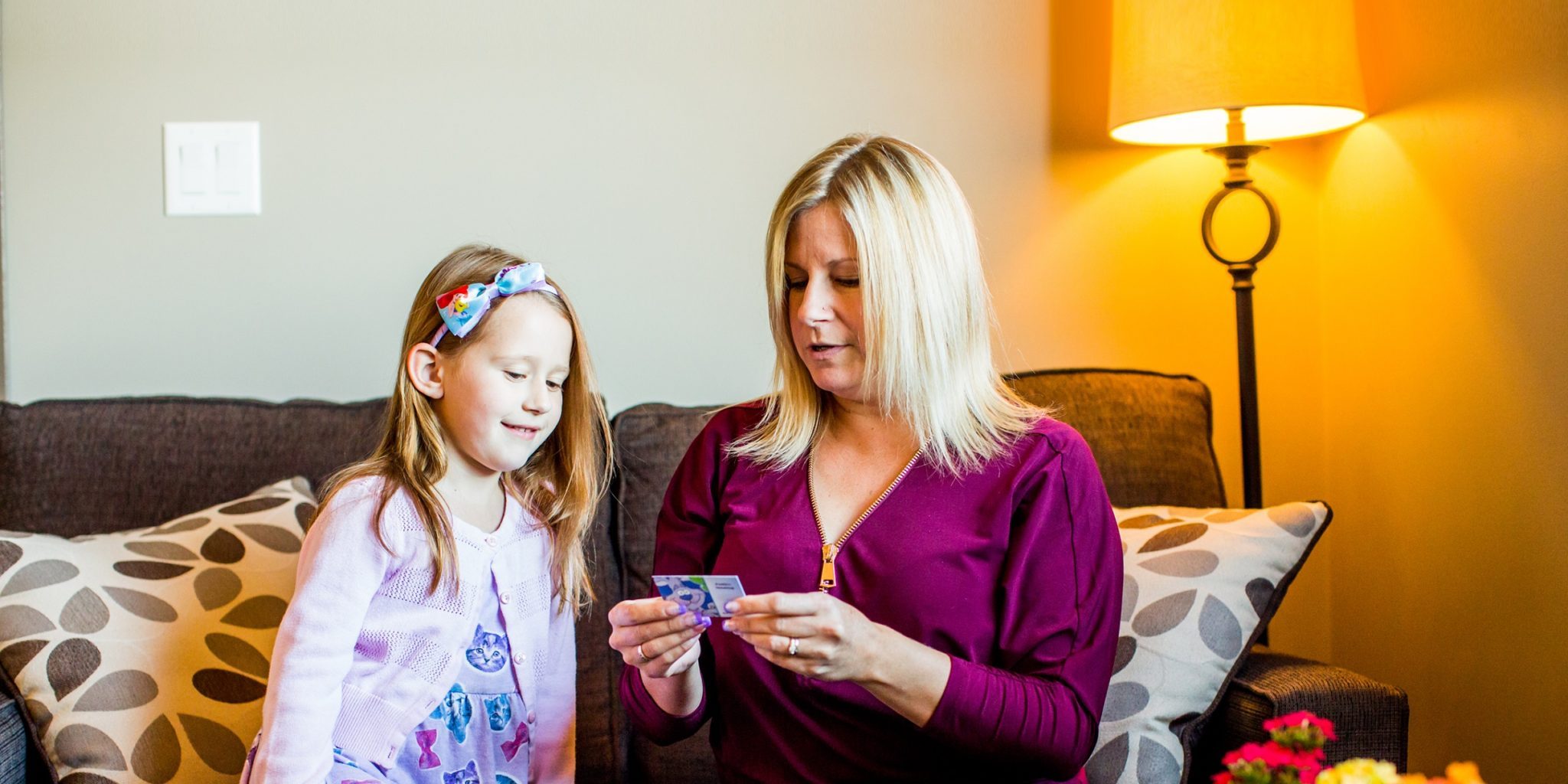
With very young children, it is common for our therapists to use cognitive-behavioural focused play therapy. This approach involves children playing with toys, drawing, playing games, etc. in conjunction with the therapist. While playing, the therapist helps to guide the process by teaching essential skills and strategies to help children address whatever issue they are experiencing.
Whether the process involves, child-friendly CBT or cognitive behavioural focused Play Therapy, parental involvement is crucial. Parents are typically present for the first session to provide necessary background information and help establish a sense of comfort for their child with the therapist. As treatment progresses, parents are generally involved for the first 5-10 minutes of a session to provide an update on how their child has been doing in-between sessions (including how well they are mastering the new skills they are learning). During the final 5-10 minutes of the session, parents are invited to return to discuss what happened during the session and to review skills and strategies their child learned. Parents fulfill a significant role in the therapeutic process by helping their child practice and use the skills they have learned in-between sessions.
For a more detailed description about psychotherapy/
At our clinic, the most common issues we see children for include:
- Anxiety and worry
- Social anxiety
- Depression
- Self-esteem
- Teasing/
Bullying - Trauma
- Sleep difficulties
- Attentional difficulties
- Anger
- Behavioural difficulties

Psychological Assessments
With children, we typically provide Psychological (Mental Health), Psychoeducational (Learning), ADHD (Attention) and Autism (Developmental) assessments. A brief description of each assessment is provided below.
For a more detailed description of the assessment process, please click here.
Psychological (Mental Health)
A Psychological (Mental Health) assessment can help to identify specific difficulties with mental health and behavioural issues. This assessment is typically completed when:
- There are multiple issues to consider and understand to create a proper clinical formulation
- To determine appropriate treatment recommendations for psychotherapy/
counselling - To identify the correct diagnosis if medication is being considered as a component of treatment
- To establish proper recommendations and accommodations for school that will help the child and school support staff
Psychoeducational (Learning)
A psychoeducational assessment can be helpful in identifying difficulties in cognition and learning. This assessment can help to:
- Determine if there are cognitive difficulties in all areas of learning
- Identify learning difficulties in specific areas (i.e., math, spelling, reading, writing, etc.)
- Establish appropriate recommendations and accommodations for an Individualized Education Plan (I.E.P.) at school
- Identify when supports such as an Educational Assistant (E.A.) can be helpful
- Provide recommendations for assistive technology (i.e., use of a laptop, etc.) to assist with learning
ADHD (Attention)
An assessment of attention can be completed as a stand-alone assessment or as part of a psychoeducational assessment. This assessment can help to identify difficulties with attention, hyperactivity, impulsivity and executive functioning (i.e., organization, regulation). This assessment is typically completed to provide:
- Recommendations for treatment planning for psychotherapy/
counselling - Strategies to assist parents with helping their child manage their symptoms, as well as dealing with challenging behaviours at home
- Recommendations and accommodations for school through an Individualized Education Plan (I.E.P.)
- Recommendations for additional support at school such as an Educational Assistant (E.A.)
- A definitive diagnosis if medication is being considered as a treatment option
- Recommendations for the use of assistive technology (i.e., use of a laptop) that can help to improve attention and focus
Autism (Developmental)
An assessment for autism can be helpful when there is concern about a child’s development, in the areas of language, social skills, communication skills, etc. An Autism assessment can help to:
- Identify repetitive and restricted interests
- Identify stereotyped patterns of behaviour
- Provide understanding for parents about confusing and isolating behaviours
- Provide information for services that will benefit their child
- Apply for funding to facilitate treatment and access appropriate community services
Neuropsychological (neurocognitive)
A neuropsychological assessment can be helpful with identifying difficulties in brain function such as cognition, learning, executive functioning, language, etc. This assessment can help to:
- determine if there are deficits in learning and functioning related to a neurological or birth condition such as a seizure disorder, epilepsy, premature birth, alcohol or substance use during pregnancy, brain tumor, acquired or congenital hydrocephalus, etc.
- examine brain functioning after an impact to the head resulting in a concussion (e.g., motor vehicle accident, slip and fall, sports injury, etc.)
- determine if there are cognitive difficulties in all areas of learning
- identify learning difficulties in specific areas (i.e., math, spelling, reading, writing, etc.)
- create recommendations for home and school functioning when there is difficulty in an identified area of brain functioning
- establish appropriate recommendations and accommodations for an Individualized Education Plan (I.E.P.) at school
- identify when supports such as an Educational Assistant (E.A.) can be helpful
- provide recommendations for assistive technology (i.e., use of a laptop, etc.) to assist with learning