Wataynikaneyap Power
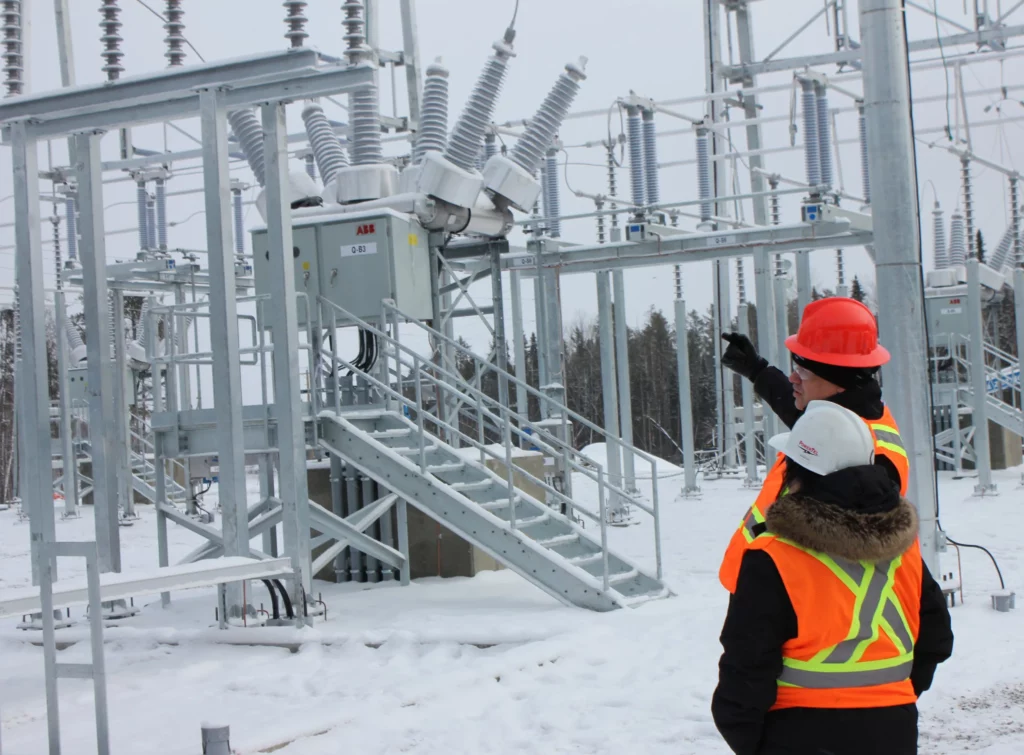
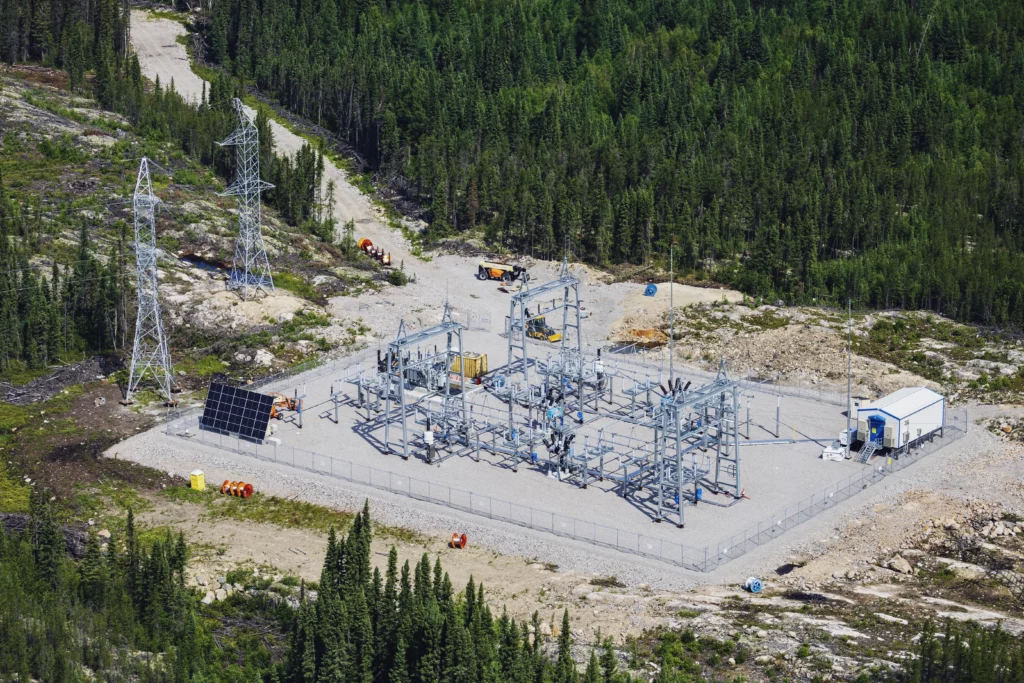
Wataynikaneyap Power LP is a licensed transmission company majority-owned by a partnership of 24 First Nations, in partnership with Fortis Inc. and other private investors. To connect 17 remote First Nations to the electrical grid, Wataynikaneyap Power is developing, managing construction, and operating approximately 1,800 kilometres of 230 kV, 115 kV, and 44 kV lines and 22 substations in northwestern Ontario.
The Wataynikaneyap Power Project is one of the largest First Nations projects in Canada. 24 First Nations working together and controlling development of infrastructure within their traditional lands is unprecedented and will be a catalyst for greater prosperity and economic self-determination.
Wataynikaneyap means “line that brings light” in Anishiniiniimowin, named by the Elders who provided guidance to the partners.
Vision
Wataynikaneyap Power’s vision is to provide reliable and affordable power to residents, businesses, and industry in the northwestern Ontario region, realizing opportunities for First Nations. First Nations wish to own, control, and benefit from development in their traditional homelands.
Mandate
In 2008, the original Central Corridor Energy Group was given the mandate to pursue the planning and development of a transmission line to connect 10 communities to the provincial electricity grid – with infrastructure owned by the First Nations. We continue to follow the Chiefs’ mandate, along with the project’s Guiding Principles.
Learn MoreNeed
First Nations were experiencing significant challenges and issues because of lack of reliable power. Continuing to use diesel generation for primary power would continue to affect community health and safety, quality of life and capacity for growth. Lack of reliable power resulted in frequent closures of schools and other community facilities; food spoilage; risks to clean water and waste management; decreased access to medical treatments and devices; overcrowded homes due to new housing not being able to connect to power; and inability to grow due to diesel generators being at capacity.