Power Transmission Safety
As a power transmission company, Wataynikaneyap Power is responsible for the reliability of its transmission system. The public and workers must be cautious and safe around the towers, the Right of Way, and substations. For power safety in your home, community, or school, Wataynikaneyap Power refers to the following third-party supports and resources:
If you are planning work around the transmission system, please contact Wataynikaneyap Power for safety information. Wataynikaneyap Power can also provide this information by a virtual presentation if requested.
Towers and Conductors
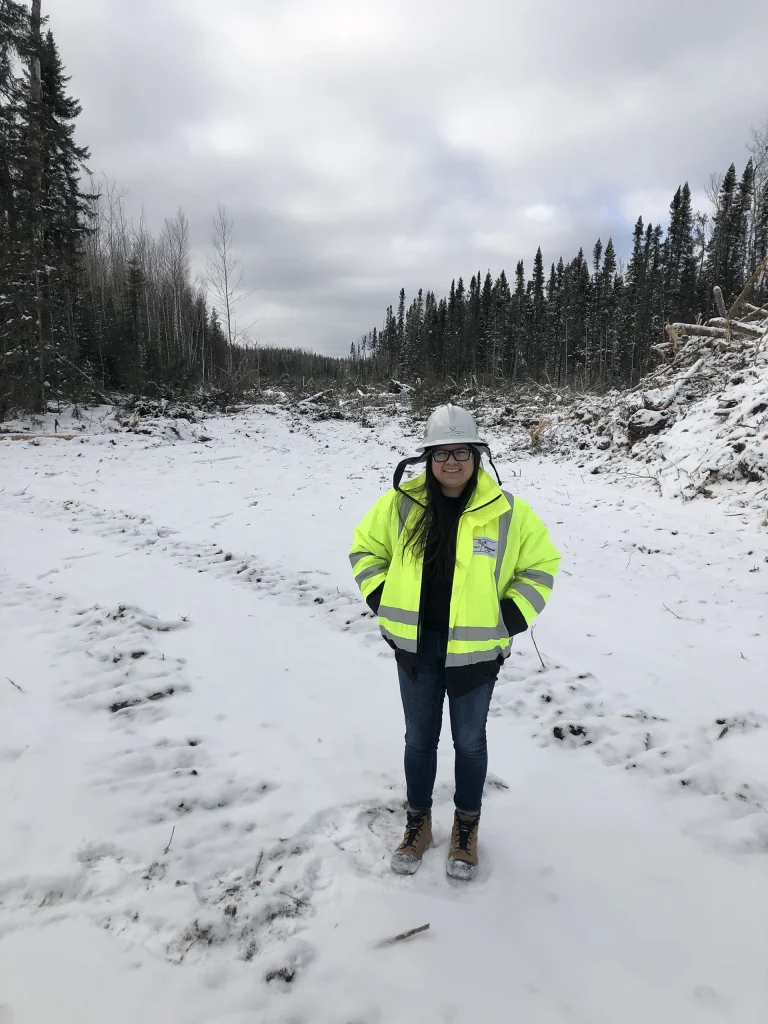
Steel towers hold up wires (called conductors) that bring high voltage electricity across long distances. The transmission system was designed and built to be safe, but best practice is to always keep a safe distance.
Never try to climb a tower. Some towers, especially those closer to communities, have fences and anti-climbing measures. Even if not fenced, best practices should always be followed.
Right of Way
The Right of Way was not designed to be a road or trail. Operating motorized vehicles on the Right of Way is hazardous.
Risks of travelling on the Right of Way include:
- Different terrain – unnatural dips and hills
- Stumps or other wood debris
- Guy wires, anchored to the ground, and tower foundations
- Increased risk if the infrastructure is damaged or during extreme weather
Substations
Substations switch voltage from high to low (or low to high) and connect and disconnect different parts of the electricity system.
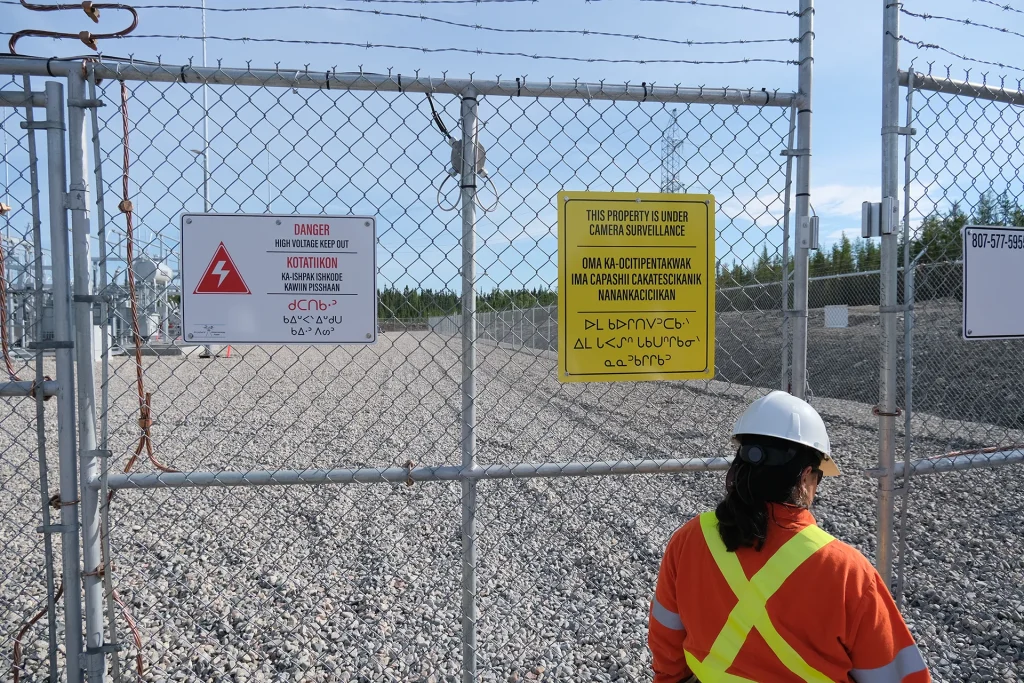
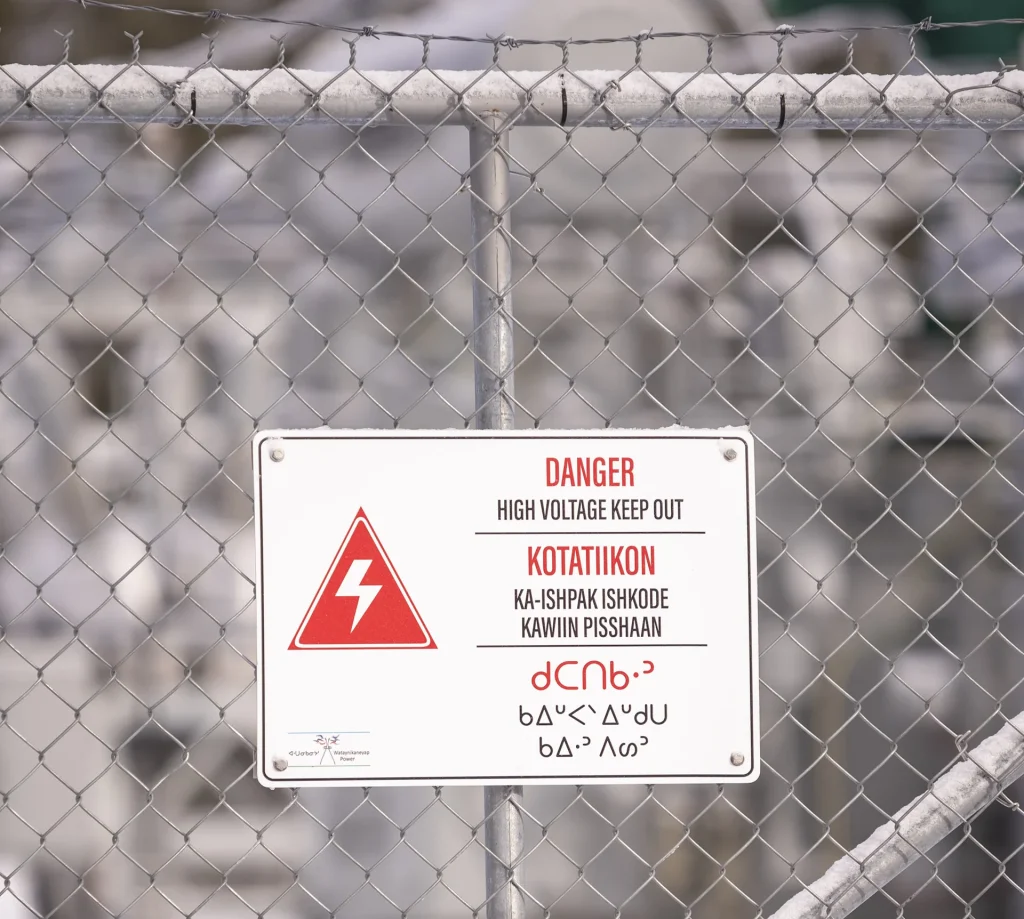
Substations are protected from unauthorized entry with a wire fence and barbed wire. Substation fences are marked with either “Danger” or “Warning High Voltage” signs.
The 22 substations on the Wataynikaneyap Power transmission system were designed and built to be safe, but best practice is to always keep a safe distance from the fence. Substation technicians and maintenance crews are trained to work in high voltage situations and to recognize and avoid potential hazards. They are the only people who can enter a substation safely.
Land Activity
The Wataynikaneyap Power transmission system does not interfere with seasonal hunting, trapping, fishing and harvesting. It is best to always keep a safe distance from the towers and guy wires and be mindful that workers may be in the area for Inspection, Maintenance, and Emergency Response (IMER); bamijikewin (vegetation management); environmental monitoring; or other groundwork activities.
Notifications of work in the area
To see if groundwork is scheduled when you plan to be on the land, Wataynikaneyap Power provides First Nation leadership with an advanced notice, and a reminder notice by email with what work will be done in your area. Details include how many crew members will be there and if work will be done by ground crew or by helicopter.
Harvesting wood near the Right of Way
To avoid accidental contact with the line and guy wires while harvesting trees, do not cut any trees which could fall within 6 metres (20 feet) of transmission lines, towers or guy wires. The Right of Way is 40 metres (132 feet), with 20 metres (66 feet) on each side of the transmission line. Do not cut any trees on the Right of Way.
Harvesting animals near the Right of Way
During groundwork activities, there may be workers in the area. For the safety of all, there may be temporary restrictions on accessing the Right of Way on certain sections of the line at those times.
Wataynikaneyap Power is working with all First Nations to identify important cultural/traditional activities and dates that should be avoided for groundwork activities.
Traps should not be set directly on the Right of Way.
Harvesting plants and berries near the Right of Way
Plants and berries growing near the transmission system are safe to use and eat. As per the Guiding Principles, no herbicides are used to control vegetation on the Right of Way.
Temporary tents or shelters on the Right of Way
Shelters should not be set up on the cleared Right of Way, because of numerous hazards, including the increased risk of lightning.
For more frequently asked questions and answers about safety around the transmission system: